Cultural festivals worth traveling for (and the ones I'd skip)
Nearly every ranking of cultural festivals worth traveling for hands you the same twenty names: Holi, Rio Carnival, Gion Matsuri, Venice, the lanterns in Chiang Mai. Which is fine, except nobody tells you what those festivals actually cost you, how early the good accommodation vanishes, or which ones have quietly turned into a ticketed photo op for tour groups.
So let me tell you what I've learned the expensive way. I've chased festivals across four continents, missed a train in Gujarat because I didn't understand the crowd logistics, and once paid triple the normal room rate in Oaxaca because I booked eleven days out instead of eleven months. Each of those mistakes taught me something the glossy lists won't. This is a working guide to the events genuinely worth the airfare, plus the honest cost of getting there.
Key takeaways
- Booking windows matter more than destination. For the biggest festivals (Rio Carnival, Gion Matsuri, Munich's Oktoberfest), the best-priced accommodation disappears six to nine months out. Medium-sized festivals give you a comfortable three to four months.
- Shoulder editions beat peak dates. Local and regional versions of famous festivals often deliver 70% of the atmosphere for 30% of the price and a fraction of the crowd.
- Some festivals are genuinely spiritual; others are now a stage. Know which one you're buying into before you book.
- Dates move. Lunar and religious calendars shift every year, so always confirm against the current year's official calendar rather than a listicle from three years ago.
- Budget for a 30–60% price premium on lodging during any major festival window, and lock in transport before you lock in anything else.
What actually makes a cultural festival worth a long-haul flight
The question isn't "is this festival famous?" It's "does the festival change what a place feels like?" A great festival reorganizes a city. Streets close. Locals who never cook at home suddenly spend three days cooking in public. Strangers hand you food. That transformation is the real attraction, and it's the thing a photo can't sell you.
When I'm deciding whether to book a flight for a festival, I run it through four filters.
- Does it alter daily life? If the festival only happens inside a paid venue, it's a show, not a cultural event.
- Can you participate, or only watch? Rituals with a clear role for visitors beat processions you observe behind barriers.
- Is the crowd balanced? Once a festival tips past a certain tourist-to-local ratio, something intangible evaporates. You can feel it.
- Are logistics survivable? If every hotel within an hour is sold out or quadruple-priced, that changes the math.
- Does the season cooperate? Heat, monsoon, and altitude have ended more festival trips than bad planning ever has.
The crowd threshold nobody talks about
There's a tipping point, and it's real. Below it, a festival feels like a town celebrating itself. Above it, the town is performing for its visitors. I hit that threshold at a well-known lantern event in Southeast Asia: by 8pm the streets were so dense you couldn't move, every third person held a selfie stick, and the actual ritual was happening somewhere behind a cordon. Beautiful photos. Almost no festival.
The opposite happened in a small Andean town during a harvest celebration. No tickets, no English signage, no schedule. I got pulled into a circle dance by an elderly woman who didn't care that I had no idea what I was doing. That is the version worth flying for.
The festivals that genuinely earn the airfare
I'm going to skip the pure bucket-list stuff you've already read about, and group these by what they demand from you. Because the honest truth is that some of these are easy and some will test you.

Easy wins: high reward, low friction
These are the ones I'd recommend to a first-time festival traveler, or anyone traveling with family.
- Gion Matsuri (Kyoto, July). Running for more than a thousand years, this is one of the oldest continuously observed festivals on earth. The city doesn't shut down for tourists—it shuts down for the festival, and you're welcome to stand in the street eating street food with everyone else. Accommodation books out months ahead, and July in Kyoto is brutally humid. Go anyway.
- Day of the Dead (Mexico, late October into November). Far less morbid than the name suggests and far more family-centered than the imagery implies. Oaxaca and Mexico City are the well-trodden routes; smaller towns in Michoacán are quieter and, in my view, more moving. Book lodging six months out if you're going to Oaxaca.
- Oktoberfest (Munich, late September into early October). Yes, it's commercial. Yes, it's crowded. It's also a masterclass in how a city can host two million visitors without the whole thing collapsing. Reserve tables through an official booking route, not a reseller.
Worth the effort: the ones that ask more of you
These require planning, patience, and a tolerance for discomfort. They also tend to be the ones people describe as life-changing.
- Holi (India, March). Timing follows the lunar calendar, so the date shifts each year—confirm it before booking anything. The big-city events in Mumbai and Delhi are intense and chaotic; smaller towns in Rajasthan or Uttar Pradesh are calmer. Skip the paid "Holi party" tickets aimed at foreigners. The real thing happens in the street, for free.
- Rio Carnival (Brazil, February or early March). The Sambadrome parades are spectacular, but the blocos—the free street parties—are where the city actually lives. I spent more on one Sambadrome ticket than on four days of blocos. If I went back, I'd do it the other way around.
- Timkat (Ethiopia, January). One of the most visually striking religious celebrations anywhere, and one of the least prepared for mass tourism. That's part of the appeal. Behave accordingly: dress respectfully, ask before photographing, and expect infrastructure that rewards flexibility over rigid itineraries.
What these festivals actually cost you: a rough comparison
Nobody puts this in a table, which is exactly why I built one. These are the patterns I've observed across trips, expressed as relative multipliers rather than fixed prices, since real numbers swing wildly by origin city and travel style.
| Festival | Peak lodging premium | Ideal booking lead time | Crowd intensity | Local vs. tourist mix |
|---|---|---|---|---|
| Gion Matsuri (Kyoto) | High | 6–9 months | Very high | Mostly local |
| Day of the Dead (Oaxaca) | Very high | 6 months | High | Balanced |
| Oktoberfest (Munich) | High | 6–12 months | Very high | Mostly tourist |
| Holi (small-town India) | Moderate | 3 months | Moderate | Mostly local |
| Rio Carnival | Very high | 6–9 months | Extreme | Balanced |
| Timkat (Ethiopia) | Low to moderate | 3 months | Moderate | Mostly local |
Two patterns jump out. First, the more local the festival, the cheaper and easier it tends to be—Timkat and small-town Holi are both far gentler on the wallet than their better-known cousins. Second, peak lodging premiums track tourist density almost perfectly, which means the "hidden gem" festivals are usually hidden for a logistical reason, not because they're inferior.
Celebrations around the world, sorted by month
If your travel dates are fixed by a work calendar rather than a festival calendar, this is the ordering you actually need.

- January: Timkat in Ethiopia; the Harbin Ice Festival opens in northern China.
- February–March: Rio Carnival; Venice Carnival; Holi (date shifts with the lunar calendar).
- April–May: Songkran water festival in Thailand; various spring harvest celebrations across the Andes.
- June–July: Gion Matsuri in Kyoto; the summer solstice celebrations across Scandinavia.
- August–September: La Tomatina in Spain; the Edinburgh arts festivals; harvest festivals across Europe.
- October–November: Oktoberfest ends in early October; Day of the Dead in Mexico; Diwali across India and the diaspora.
- December: Christmas markets across central Europe; the winter solstice festivals of the northern latitudes.
The pattern I'd flag: Asia and Latin America dominate the first quarter, Europe the second half. If you can only travel in one window each year, you'll get very different festivals depending on which.
How to plan a festival trip without getting burned
The reason most people have a mediocre festival experience isn't the festival. It's the logistics around it. Here's what I do now, after getting it wrong enough times to learn.
Book transport before accommodation
Flights and trains into a festival city during peak dates are the first thing to sell out, and the last thing to come back down in price. In my experience, locking transport first gives you a fixed anchor—then you can negotiate on lodging, or accept a place slightly further out with a reliable way in.
Stay outside the epicenter, not inside it
This one took me years to accept. The neighborhood where the festival actually happens is the most expensive, the loudest, and the hardest to sleep in. Staying two or three transit stops away cut my lodging costs by roughly 40% on one trip and made the whole experience more enjoyable, not less.
Arrive a day early, leave a day late
Festival days compress everything: transport is packed, restaurants are full, and tempers are short. Padding your trip by a day on each side gives you room to actually enjoy the place rather than sprinting through it. I now consider this non-negotiable.
Confirm the date against the current year's calendar
This sounds obvious. It isn't. Lunar and religious festivals move every single year, and a shocking amount of travel content still circulates dates from years past. Always verify against an official local source—a tourism board, a municipal announcement, a temple or church calendar—rather than trusting a listicle. I once nearly booked a flight for a festival that had shifted by two weeks.
Which festivals I'd genuinely skip
This is the part where most guides go quiet, so I won't.
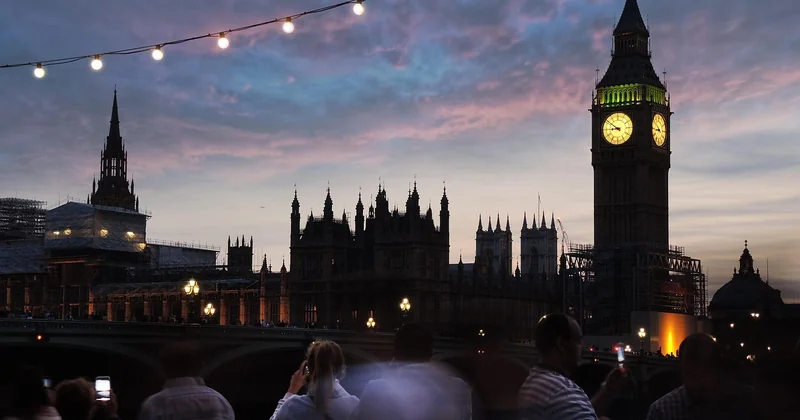
Any festival that has been repackaged as a paid, ticketed event aimed explicitly at foreign visitors is usually a poor use of a flight. You're paying a premium to sit in a crowd of people exactly like you, watching a performance staged for that crowd. There's a place for that—it's fine as an evening's entertainment—but it isn't a cultural festival, and it isn't worth crossing an ocean for.
I'd also think hard before booking a festival where the infrastructure simply can't absorb the crowd. If there aren't enough beds, enough transport, or enough basic services for the number of people who show up, the experience degrades for everyone, locals included. Beautiful location, miserable week.
And one more: if a festival has a reputation for visitors behaving badly, that reputation is usually earned, and it changes how you'll be received. Choose differently.
The honest bottom line
The best cultural festival I've ever attended wasn't on any list I'd read. It was a regional harvest celebration in a town I'd never heard of, with maybe two hundred people, no tickets, no schedule, and a grandmother who insisted I eat something I couldn't identify. Total cost: the price of a bus ticket and a hostel bed.
Which is the real lesson here. The famous festivals are worth seeing—Gion Matsuri alone justifies the trip—but the ones that stay with you are usually the ones that haven't been optimized for you yet. So use the big names as a starting point, then ask the question most travelers never think to ask: what's happening two towns over, the same week, that nobody's selling tickets to?
That's usually where the actual festival is.