Three days before my departure from Vancouver, the onboard concierge emailed to ask whether I wanted the salmon or the duck on the second evening. Not the second night of the trip — the second evening, as if the whole week had already been choreographed down to the last course. That email tells you most of what you need to know about luxury train journeys across scenic landscapes: you are not buying transport. You are buying a timetable written by someone who assumes your only job is to look out the window.
And that window is the point. A plane flattens the Rockies into a two-hour smear of cloud. A car gives you the steering wheel and takes away the wine list. A luxury sleeper train sits in the narrow gap between the two — slow enough to watch the landscape change grain by grain, comfortable enough that you never once think about your back.
Key Takeaways
- Luxury train travel is priced per person, per night — expect roughly the cost of a good hotel suite, sometimes two or three times that on the flagship routes.
- Most famous journeys sell out 6 to 12 months ahead. Booking late is the single most common mistake.
- "Scenic" and "luxury" are not the same thing. Plenty of gorgeous routes run in ordinary carriages.
- Almost everything on board is included; almost nothing off the train is (excursions, spa, gratuities often aren't).
- Cabins are small. The public lounges and the dining car are where the trip actually happens.
- You will spend real money on a single supplement if you travel alone.
What actually makes a train journey genuinely luxurious
Here's the thing nobody tells you before your first trip: the scenery and the service are two separate products, sold in the same brochure. I learned that the hard way on a ten-hour alpine run where the views were staggering and the coffee was served in a paper cup by someone who clearly wished he were elsewhere. Beautiful. Not luxurious.
Genuine luxury on rails comes down to a short list of things that have nothing to do with the landscape.
The four things that matter
- Space per passenger. A dining car where tables are set for two, not four, changes the entire mood.
- A bed you'd actually sleep in — not a bench that folds flat and leaves your suitcase in the corridor.
- Staff who outnumber you. On the best trains the ratio gets close to one crew member per couple of carriages.
- Timing built around daylight. The great operators deliberately route the scenic stretches for daytime and move at night.
Notice what's missing from that list? Marble bathrooms and chandeliers. Those are nice. They're also decoration. The operators who understand the difference are the ones you remember five years later.
Why slow travel changes the math
A three-night journey at, say, the price of a solid four-star hotel per night sounds absurd until you count what's bundled in: all meals, wine with dinner, excursions, and the fact that your hotel room is also your transport. I ran the numbers on one European itinerary out of curiosity. Stripped of the romance, the train came out roughly 15% cheaper than doing the same route by car, boutique hotels and restaurant dinners. That surprised me. It also isn't true everywhere — on the ultra-premium flagships you are paying for the theatre, not the arithmetic.
The scenic routes actually worth the money
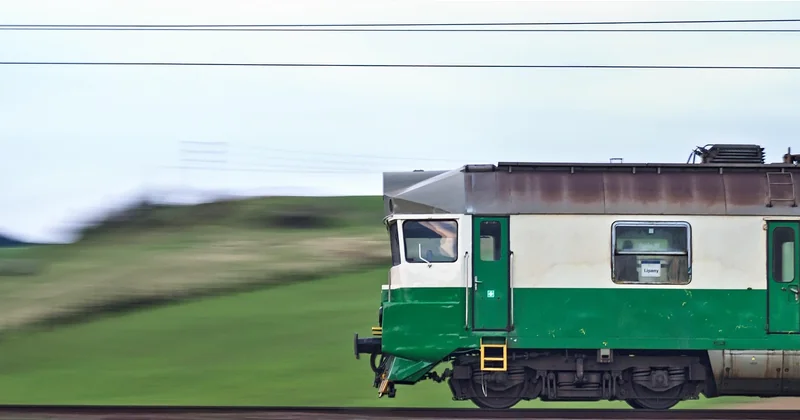
You'll see the same handful of names on every list, and for good reason — they earned it. But they don't all deliver the same experience, and picking the wrong one for your temperament is an expensive mistake.
| Journey | Region | Typical length | Best for | Roughly what it costs |
|---|---|---|---|---|
| Rocky Mountaineer | Canadian Rockies | 2 days | Daytime glass-dome viewing, no sleeper | Mid four figures per person |
| Rovos Rail | Southern Africa | 2–15 nights | Vintage wood-panelled carriages, big-game stops | Entry-level luxury pricing |
| Venice Simplon-Orient-Express | Europe | 1–4 nights | Art-deco theatre, one unforgettable night | The most expensive per night |
| Maharajas' Express | India | 4–8 nights | Palace suites, monument excursions | Suite pricing, single supplement stings |
| Belmond Andean Explorer | Peru | 1–3 nights | Altitude, high plains, Lake Titicaca | Mid-range for the category |
One caveat on that last row: high-altitude routes are spectacular and physically demanding. I watched a perfectly fit couple spend an entire afternoon in their cabin with headaches. Altitude doesn't care how much you paid for your ticket.
Is there luxury sleeper train travel in the USA?
Honestly? Not in the European or African sense — there's no American equivalent of a wood-panelled vintage consist with a butler and a formal dress code, and anyone telling you otherwise is stretching the definition. What the United States does have is private railcar charter: wealthy travellers and small groups rent restored vintage carriages and attach them to scheduled Amtrak services. It's a genuinely extraordinary way to cross the country, and it is arranged privately rather than sold as a packaged tour. Beyond that, the standard long-distance sleeper rooms on American routes are comfortable and scenic — they are simply not luxury in the sense this article is using the word.
What are the best multi-day train trips in the world?
The ones that earn the extra nights are those where the landscape shifts character more than once. A two-day run gives you a single change of scenery; four nights give you desert, then mountains, then farmland, then a coast. That progression is what you're really buying when you book a longer itinerary — not more train, but more transitions. Rovos Rail's longer African runs and the multi-night Indian itineraries both pull this off well. The single-night European classics are wonderful, but they're a great evening, not a journey.
The stuff the brochures bury
No price. That's what struck me most when I first started researching this properly — the brochures are gorgeous and the booking pages are silent about money. Here's the reality, stripped of gloss.
What's included and what isn't
Onboard, you're generally covered for all meals, house wines and spirits, and tea and coffee around the clock. Off the train is a different story.
- Excursions — sometimes included, sometimes a supplement, occasionally sold as an upgrade tier.
- Gratuities — frequently expected, and meaningful amounts given the crew ratios.
- Spa, salon and premium cellar wines — almost always extra.
- Single supplement — the most painful line item. It commonly runs 50% to 100% of the per-person fare, because cabins are priced for two.
Booking windows and the cancellation trap
Peak-season departures on the flagship trains routinely sell out 6 to 12 months in advance. I've watched a summer date on a popular European route vanish in under three weeks after it opened. If you're eyeing a specific date, register for the operator's release notification and book the day bookings open.
Then read the cancellation terms properly. The strictest operators take a meaningful non-refundable deposit — often 20% to 25% — and the refund window closes months before departure, not weeks. Travel insurance that specifically covers trip cancellation is not optional here. It's the difference between a bad year and a very expensive one.
How to pick the right journey for you
Ask yourself one question first: do you want the train to be the destination, or the vehicle? If it's the destination, book the shortest, most theatrical option and enjoy the performance. If it's the vehicle — you want the landscape to do the work — go longer, go daytime-heavy, and choose an operator whose route crosses several distinct regions.
The second question is harder. How much do you actually care about the cabin? On most luxury trains you sleep in it and little else. If you're the type who'll spend the evening in the lounge with strangers and a decent glass of something, an entry-level cabin is genuinely fine. If you need to retreat, pay for the suite — but know that the suite is often twice the price for maybe four extra square metres.
Book the trip that matches how you travel, not the one that photographs best. And pack lighter than you think. There's nowhere to put the extra suitcase.