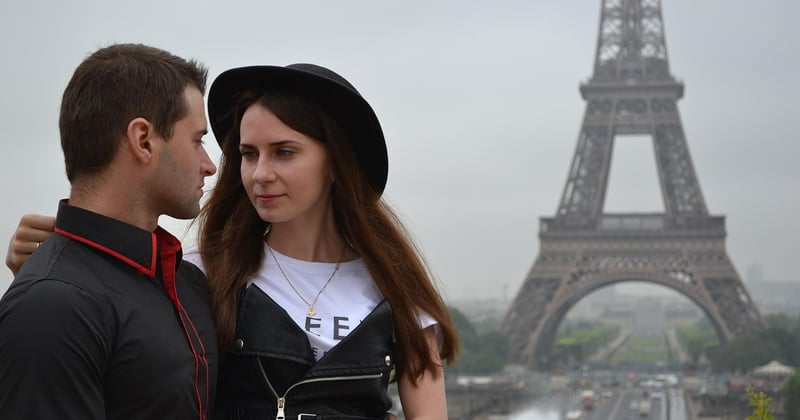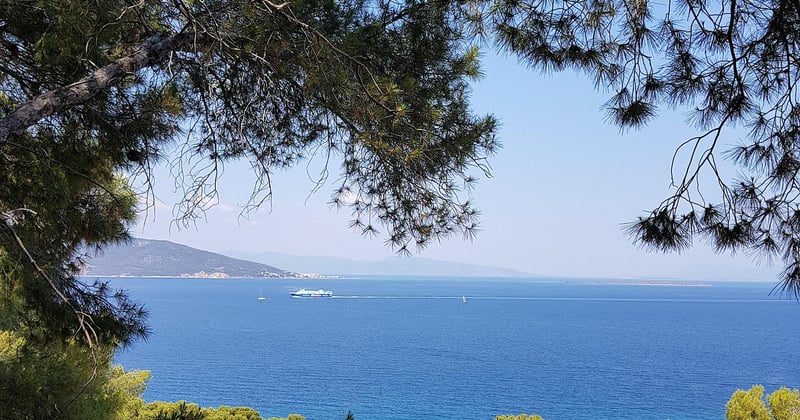
You're standing on a helipad at the edge of a city, and the pilot hands you a headset. Two minutes later the ground drops away and the thing you thought you knew—the skyline, the coastline, the canyon—reorganizes itself into something you've never actually seen. That's the part nobody sells you in a brochure. The real product of a helicopter tour isn't the view. It's the sudden change in scale.
I've flown helicopter tours on four continents and paid for most of them out of my own pocket, which makes me far less romantic about them than the marketing copy suggests. Some were worth every dollar. One was a glorified elevator ride with bad narration. And the difference between those two experiences had almost nothing to do with the destination and almost everything to do with how the flight was structured.
If you're researching helicopter tours for a unique luxury perspective, this is the honest breakdown: what actually costs what, what separates a premium flight from a cheap one, and where the money genuinely buys you something.
Key Takeaways
- The average cost of a helicopter tour runs roughly $250–$350 per person for a 15–20 minute city flight, and $500–$900 for a longer landing tour.
- Private charter changes the math entirely: you're usually paying $3,000–$6,000+ for the aircraft, not per seat.
- "Luxury" in this industry means specific, checkable things—aircraft type, cabin comfort, passenger count, and whether you control the itinerary.
- The best helicopter tours in the world are almost always the ones where the flight is 25 minutes or longer. Short hops feel like a tease.
- Weather cancellations are common. A flexible booking policy is worth more than a discount.
What a helicopter tour actually costs—and why the sticker price lies
The number you see online is almost never the number you pay. That "from $139" figure is real, but it buys you a 10-minute flight in a shared cabin with six strangers, a window seat you may or may not get, and a departure time chosen for the operator's convenience rather than yours.
Here's the honest range, drawn from what I've actually paid across different markets:
| Type of flight | Typical duration | Realistic cost per person | What you get |
|---|---|---|---|
| Shared city tour | 10–15 min | $150–$300 | Window seat, fixed route, group cabin |
| Extended scenic tour | 25–45 min | $350–$700 | Longer route, better photo angles, still shared |
| Landing / experience tour | 2–4 hours | $500–$900 | Includes a touchdown—canyon floor, vineyard, glacier |
| Private charter (full aircraft) | Flexible | $3,000–$6,000+ | Just your group, custom route, your schedule |
Two things inflate that middle column fast. Fuel surcharges, which operators bury in the fine print, and weight-based seating rules—over a certain passenger weight you're charged for an extra seat, and that's not negotiable, it's a legal safety calculation on smaller airframes.
What is the average cost of a helicopter tour?
For a standard shared sightseeing flight of 15 to 20 minutes, expect to pay around $250 to $350 per person in most major markets. That average climbs steeply with duration—the cost scales far more with time aloft than with distance covered, because you're paying for the aircraft, the pilot, and the fuel clock, all three of which run in real time.
Where the average falls apart is in pricing logic. A 15-minute flight over a spectacular canyon and a 15-minute flight over a shopping mall cost roughly the same, because the operator's cost structure doesn't care what's underneath you. This is why comparing tours by price alone is close to useless.
What "luxury" actually means in a helicopter—and what it doesn't
Every operator's website says "luxury." Almost none of them define it. So let me, because after enough flights you start noticing the same variables.

What is the best luxury helicopter in the world?
There isn't one universal winner, but the aircraft most often associated with the premium end of private and VIP helicopter travel is the Airbus H130 (formerly the Eurocopter EC130). It's the one you see on executive transfers and high-end tourist operations alike.
Why it earns that reputation: it's quiet thanks to its Fenestron tail rotor, it has a spacious cabin with excellent downward visibility, it seats up to seven passengers in genuine comfort, and it's known for a smooth ride. That combination is exactly what you want when the whole point is looking out the window.
Other names you'll encounter in premium fleets include the Bell 407, a fast, smooth single-engine workhorse, and the Robinson R44, which sits at the opposite end—an entry-level airframe frequently used on short, budget city tours. If you're paying premium prices and climbing into an R44, ask why.
The aircraft matters more than the operator's logo. A great company flying a cramped airframe will still give you a cramped experience.
How much does a luxury private helicopter cost?
Private charter—where you book the entire aircraft rather than a seat—typically starts around $3,000 and runs past $6,000 for longer itineraries, depending on aircraft size, duration, and location. You're no longer buying a ticket. You're renting a machine and a pilot by the hour.
What that buys you is control: the route, the timing, the number of stops, and the freedom to bring exactly who you want. For a group of four or five, the per-person math often lands close to premium shared tours—which is the argument for going private that most people never run.
The five things that separate a luxury flight from a cheap one
- Aircraft type—quiet, spacious, good visibility
- Passenger count—fewer people means a window for everyone
- Itinerary control—can you choose the route, or is it fixed?
- Duration—under 20 minutes is a tease, not an experience
- Booking flexibility—because weather cancels flights constantly
The best helicopter tours in the world—and the honest reason they win
Rankings are subjective, and I'm suspicious of any list that doesn't tell you its criteria. Mine is simple: I'm judging whether the flight changes how you understand a place. By that measure, a handful of routes consistently deliver.
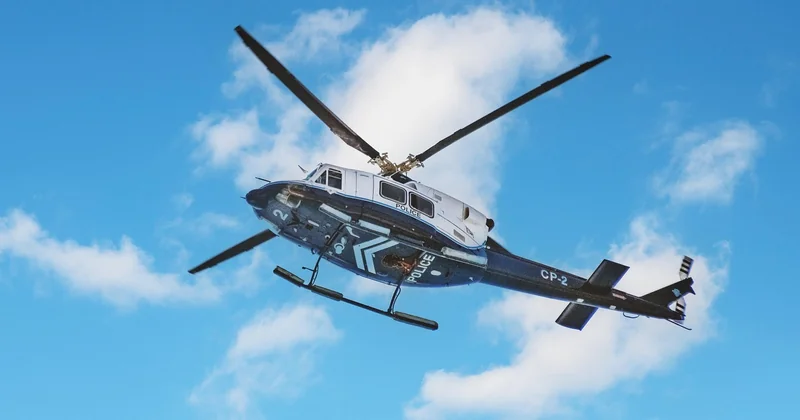
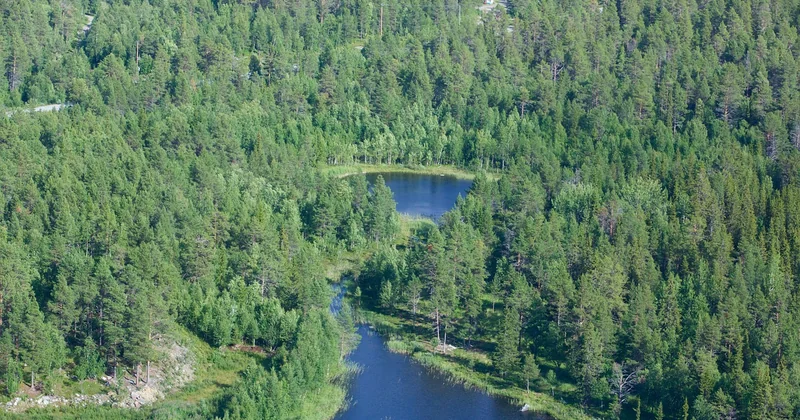
Las Vegas at night is the one people expect me to dismiss, and I won't. Flying the Strip after dark, with the desert blackness pressing against a ribbon of neon, is genuinely strange and beautiful in a way the daytime flight simply isn't. The Las Vegas night Strip flight is the single most requested premium tour in the US market, and it earns that. Book the later departure if you can—the lights are better once full darkness settles in.
The Grand Canyon with a canyon-floor landing remains the benchmark. Not because the canyon needs a helicopter to be impressive—it doesn't—but because descending below the rim into silence is an experience no ground-based tour can replicate.
Beyond those, the flights that stick with me are the ones built around something specific: a glacier landing in Alaska, a vineyard touchdown in wine country, a coastal route where the pilot actually knows the geology and tells you about it instead of playing a recorded loop.
Here's my honest ranking logic, and I'll defend it: a 25-minute flight over a remarkable place beats a 10-minute flight over an iconic one, every single time. Duration is the variable people underweight most, and it's the one that most determines whether you walk away moved or mildly disappointed.
How to choose a tour without getting burned
I made this mistake early on: I booked on price and destination, and ignored everything else. The flight was fine. The experience was forgettable.
What I check now, in order:
- Minimum flight time, not "total experience time"—operators pad the latter with check-in and briefing
- Whether every passenger is guaranteed a window seat, in writing
- The cancellation and weather policy, because a rigid one can cost you the whole trip
- Whether the pilot narrates live or plays a recording
- Fleet age and aircraft type, which tells you how the operator thinks about safety and comfort
Ask about the weight policy before you book, especially if anyone in your group is tall or heavy. It's an awkward conversation, and it's far less awkward than being told at the counter that you owe for a second seat.
The part that stays with you
The helicopter lifts off, the noise settles into the headset, and for twenty or thirty minutes you're looking at the world from an angle almost nobody gets. That's the actual luxury. Not the leather seats, not the champagne—though both help.
What I've learned after enough flights to stop counting is that the premium is worth paying when it buys you time in the air and control over where you go. It's not worth paying when it only buys a nicer logo on the side of a short flight you'll forget by dinner.
So here's the question worth sitting with before you book anything: are you buying a view, or are you buying a change in how you see? The second one costs more, and it's the only one you'll still be thinking about a year from now.