Diving with sharks: the best spots when you actually want the adrenaline
Most people I meet on a dive deck tell me the same thing: they want to see a shark, but they don't want the shark to see them. Fair enough. Then there's the other group — the ones who booked the trip because of the shark, not in spite of it. If you're in that second group, this is for you. Diving with sharks at the best spots for adrenaline junkies isn't about ticking a box on a bucket list. It's about putting yourself in water where something bigger than you is deciding what happens next.
I'll be blunt about my own history here. My first shark dive was a mess. I was under-weighted, over-caffeinated, and about 40% sure I'd made a mistake. A Caribbean reef shark came past at maybe eight metres and I locked up completely — forgot my buoyancy, forgot my breathing, forgot everything except the animal. Twenty minutes later I was fine. Two hundred dives later I still get that first-ten-seconds jolt when a shape comes out of the blue. That jolt is the whole point.
What follows isn't a list of pretty postcards. It's a breakdown of where the real adrenaline lives, what separates one kind of shark encounter from another, and the things nobody tells you before you book.
Key Takeaways
- Not all "shark dives" are equal. A baited dive, a drift dive, and a cage dive deliver completely different levels of intensity — and different risk profiles.
- Certification matters. Several of the best sites require advanced open water or higher, sometimes 50+ logged dives.
- Current is your adrenaline multiplier. A site with 2 knots of flow and a wall of sharks will do more for your heart rate than any feeding frenzy.
- Seasons are narrow. Show up in the wrong month and you'll dive beautiful, empty water.
- Ethics affect your experience. Baiting brings sharks close but changes their behaviour — know what you're signing up for.
- Budget ranges wildly. A liveaboard week and a day trip from a Florida marina are not in the same financial universe.
What actually makes a shark dive intense
Here's the thing nobody puts in the brochures: the shark itself is rarely the variable that decides how hard your pulse hammers. Four other factors do most of the work.
The method: baited, drift, cage, or natural
A baited dive — where an operator chums the water or uses a bait box — will put you face to face with more sharks than you can count. Tiger Beach in the Bahamas is the classic example, and yes, it's as intense as it sounds. But the intensity comes partly from unpredictability. Feeding conditions sharks means you're in water with animals in a heightened state. That's the deal you're making, and you should make it with your eyes open.
A drift dive through a shark channel is a different animal entirely. No bait, no cage, no operator controlling the encounter. You're just a passenger in a current while sharks move through on their own business. In my experience this produces the most honest adrenaline — it's the water doing the work, not a chum bucket.
Cage diving is the one most people picture, and it's the least "free" option. It's also, for a specific kind of person, the only acceptable first step. I don't look down on it. I've done it. It's a controlled introduction, and controlled introductions keep people alive.
Then there's natural, unbaited diving, where you find sharks on their terms at cleaning stations, seamounts, or reef drop-offs. Lower shark density, higher satisfaction. This is the one I'd pick every time now.
Current, depth, and visibility
Current is the single most underrated factor. A gentle drift over a reef is a spa day. Being swept along a wall at speed while a dozen grey reef sharks patrol the edge is a completely different sport. Strong current also means you can't easily abort — you go where the water sends you, which is exactly the kind of commitment that generates adrenaline.
Depth plays a supporting role. Deeper sites mean shorter bottom time, more serious gas planning, and a longer ascent if something goes wrong. That's not thrills for thrills' sake — it's consequence, and consequence is what separates a real adventure from a snorkel tour.
The best spots, ranked by how hard your hands shake
I've grouped these by the kind of intensity they deliver, not by geography. Two people can dive the same site and have wildly different days depending on conditions, but the ceiling on each site is fairly consistent.
| Site | Method | Adrenaline driver | Typical entry level |
|---|---|---|---|
| Tiger Beach, Bahamas | Baited, shallow | Large tiger sharks at close range, multiple animals | Advanced + some experience |
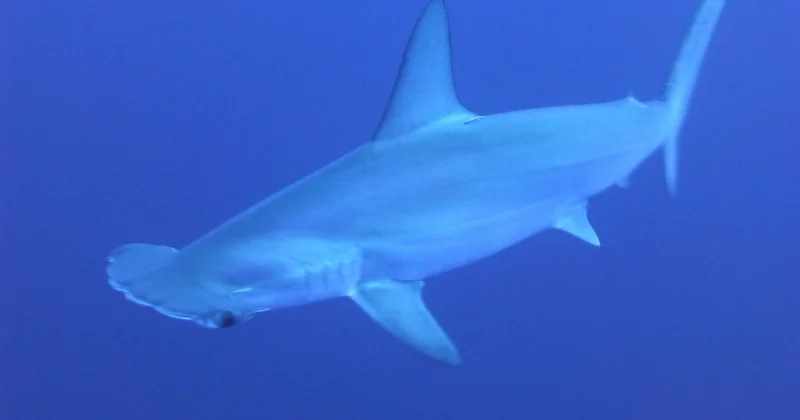
| North Bimini / Bimini | Natural, baited options | Great hammerheads in season, big-animal density | Advanced recommended |
| Guadalupe-style cage sites (Mexico) | Cage | Cold water, big whites, surface-cage motion | Open water minimum |
| Beqa Passage, Fiji | Baited, feeding | Bull sharks, dozens of them, controlled chaos | Advanced + 50 dives |
| Cocos Island, Costa Rica | Natural, drift | Currents, hammerhead schools, remote location | Advanced + liveaboard |
| Florida coast, Jupiter | Drift, some baited | Lemon and bull sharks, accessible day trips | Open water |
| South Australia | Cage | Great whites, cold, surface swell | No dive cert required |
Bahamas: the shallow-water heavyweight
Tiger Beach sits in about 5–8 metres of warm, clear water. That sounds tame. It isn't. Shallow water removes every escape route — no depth to retreat into, no thermocline to hide behind. You kneel on sand and the animals come to you. On my second visit I counted seven tigers on a single tank. Some divers cry. I'm not joking, and I'm not judging.
Cocos Island: the one that filters people out
Getting to Cocos takes a long liveaboard crossing, costs a serious amount of money, and hands you open-ocean conditions that punish anyone who isn't comfortable in current. In exchange you get schooling hammerheads, sometimes hundreds of them. I lost an entire dive to a single pass of that school. I forgot to check my gas until my computer beeped at me. That's the level of distraction we're talking about.
Where can you swim with sharks in the US?
You don't need a passport or a liveaboard budget. The US has legitimate shark encounters on both coasts, and I've done several of them on long weekends.
Florida
Florida is the easiest entry point in the country. Jupiter and West Palm Beach run consistent drift dives where lemon sharks, reef sharks, and the occasional bull show up on the ledges. In winter, the lemon shark aggregation off Palm Beach is one of the most reliable large-shark congregations anywhere in the accessible world. Operators leave from marinas that are a short drive from an airport. If you want to swim with sharks in Florida, you can realistically book on Wednesday and be in the water by Saturday.
San Diego and the California coast
Swim with sharks in San Diego and you're mostly talking about blue sharks and mako sharks in open water, often far offshore. These are pelagic encounters — the animals come up from the deep, the water is cold, and there's no bottom in sight. I find blue shark dives genuinely eerie in a way reef dives aren't, because the water below you is unlimited and empty until it suddenly isn't. Mako dives are faster, sharper, and not for the faint of heart. Some operators will let you slip into a cage; others run fully open-water encounters for experienced divers. Take the cage if it's your first pelagic trip. There's no shame in it.
Other US options worth knowing
- North Carolina — sand tiger sharks on wrecks, historically reliable in summer
- Rhode Island and Massachusetts — blue and mako trips in the warmer months
- Hawaii — reef sharks, generally calmer encounters
- California's Channel Islands — seasonal, more about the environment than the sharks
The things nobody warns you about
I spent three seasons diving these sites before I understood how much of the experience is decided before you even splash.

Certification and experience floors
Several of the sites above will not take you without an advanced open water certification, and some require proof of 50 or more logged dives. This isn't gatekeeping for its own sake. Baited dives in current with dozens of large animals demand buoyancy control you simply don't have at 15 dives. I watched a newer diver kick straight into the bait zone on my first Fijian trip. The divemaster handled it, but it was a genuinely dangerous thirty seconds. Nobody got hurt. It could have gone the other way.
Insurance and the honest risk picture
Standard travel insurance often excludes shark diving, and almost always excludes baited diving specifically. You need a policy that names it. This is the least glamorous paragraph in any guide, and it's the one that matters most. Serious incidents are rare — the numbers are lower than the media suggests — but rarity isn't zero, and the consequences when something goes wrong are severe. Read your policy. Ask the operator which insurers they've seen actually pay out.
Seasonality will make or break your trip
Hammerheads at Bimini are a winter-to-spring event. Lemon sharks in Florida peak in the cooler months. Cocos has a defined diving season tied to weather windows. Book outside the window and you'll dive gorgeous water with nothing in it. I made that mistake once in the Bahamas in August and spent a week looking at coral. Lovely coral. Wrong trip.
Should you do a baited dive at all?
This is where I stop being neutral. My honest position: do one, understand what it is, and then seriously consider whether you want to keep doing them.
Baited diving gets you close to animals you'd otherwise never see up close. It's also a behaviour-modification programme. Sharks learn that boats mean food. Where operators are careful — limited chum, fixed sites, no hand-feeding, no touching — the impact is contained. Where they aren't, it isn't. Ask the operator three questions before you book: how long have they run the site, what's their baiting protocol, and do they ever let divers handle the animals. If the answer to the last one is anything other than a hard no, walk away.
The unbaited alternative is slower and less cinematic. It's also the version of this sport I'd defend to anyone. A grey reef shark that chooses to circle you, on its own terms, in its own current, is worth ten sharks following a chum line.
Gear and preparation that actually matters
Skip the fancy stuff. Here's what genuinely changes your day.
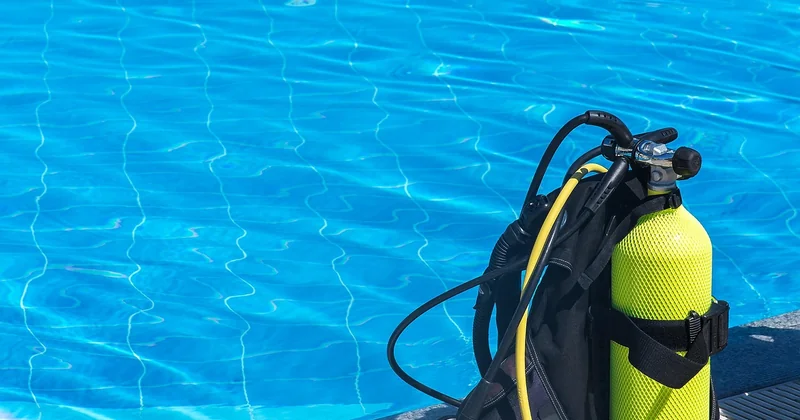
- A well-fitted wetsuit. Cold divers make bad decisions. This is the most important item you own.
- Your own computer. Rental computers fail at the worst times, and reading someone else's algorithm mid-dive is a distraction you can't afford.
- A reliable SMB and reel. Non-negotiable on drift dives with surface traffic.
- A dive light, even in clear water — for signalling, not for looking at sharks.
- Logbook discipline. Sites ask for proof. Keep it current.
Photography is a trap I fell into hard. My first Tiger Beach trip, I spent most of a dive fighting with a housing instead of watching. On the next one I left the camera on the boat and had the best dive of my life. Bring it if you want, but don't let it steal the experience you paid for.
The honest verdict
If you want maximum adrenaline per dollar and you're already a competent diver, Cocos and the outer Bimini hammerhead sites will give you more than a baited feed ever will, because the intensity is real rather than manufactured. If you're newer, or you want the encounter with a safety net, Jupiter's drift dives and the Florida lemon aggregation are the smartest starting points — genuinely wild animals, manageable conditions, and a boat ride you can book next week.
What stays with me isn't the biggest shark I've seen. It's the moment on an unbaited drift, mid-current, when a shape the size of a small car slid past below me and didn't care that I existed. No bait, no cage, no operator. Just water and an animal deciding I wasn't worth a second look. That's the dive worth chasing. Everything else is rehearsal.