Queenstown's Nevis Bungy is 134 metres of nothing underneath your feet. I know because I stood on that platform in 2023, harness tight, knuckles white, and the operator — a guy named Hemi who'd done this run probably 4,000 times — just smiled and said, "Whenever you're ready, bro." That "whenever" lasted eleven minutes. Then I jumped, screamed something incoherent, and understood why people fly 12,000 miles for a 8.5-second fall.
But here's the thing: extreme sports destinations for thrill seekers aren't all created equal. Some are hyped beyond what they deliver. Some are genuinely dangerous in ways brochures don't mention. And some — the ones locals actually rate — stay weirdly under the radar.
This is the version I wish someone had handed me years ago. Not a "top 25 epic adventures" listicle. A practical breakdown of where to go, what it costs, who should avoid it, and what I got wrong.
Key Takeaways
- The best extreme destinations combine high consequence, licensed operators, and a short season — which usually means booking 6-9 months ahead.
- New Zealand and Switzerland dominate reputation, but South Africa, Peru, and Kyrgyzstan offer comparable adrenaline at roughly a third of the price.
- Most "thrill" injuries come from skipping the boring parts: medical declarations, insurance riders, and altitude acclimatisation.
- Budget between $250 and $1,400 per activity depending on region, plus mandatory insurance that standard travel policies won't cover.
- If you're a beginner, three of the "top" extreme sports on every listicle should be off your table for at least a year.
What actually makes a destination extreme (and not just marketed that way)
Most lists rank places by reputation. I rank them by consequence.
Consequence means: if something goes wrong, how bad is it? A 100-metre bungee with a certified cord has moderate consequence. A wingsuit flight over a mountain ridge has catastrophic consequence. Cave diving beyond your certification level is a coin flip that people lose every year in Mexico's cenotes and Florida's springs.
The second variable is operator quality. In New Zealand, adventure tourism is regulated under a specific safety audit framework — operators get audited regularly and can lose their licence. In some other countries, "certified" means the guy owns a van and a GoPro.
The three questions I ask before booking anything
- Who audits this operator, and can I see the last audit date?
- What's the minimum certification or experience level, and do they actually check it?
- What does the insurance rider cost, and what does it exclude?
That third one bit me hard in 2022. I booked a highline trip in Utah without reading the fine print. The operator's waiver excluded any aerial activity above 30 metres. My travel insurance excluded it too. I was, technically, uninsured for the entire thing. Nothing happened. But I've never made that mistake again.
The shortlist: destinations that earn their reputation
Six places keep coming up when you talk to people who actually do this stuff for a living.

| Destination | Signature activity | Typical cost (per person) | Best season |
|---|---|---|---|
| Queenstown, New Zealand | Bungy, canyon swing, heli-ski | $180–$450 | Dec–Feb (summer) / Jun–Aug (ski) |
| Interlaken, Switzerland | Skydiving, canyoning, paragliding | $250–$550 | May–Sep |
| Cape Town, South Africa | Shark cage diving, paragliding, abseiling | $90–$300 | Nov–Mar |
| Moab, Utah | Highline, BASE, off-road | $0–$400 (much is self-guided) | Apr–Jun, Sep–Oct |
| Huacachina, Peru | Sandboarding, dune buggying | $30–$80 | Year-round |
| Karakol, Kyrgyzstan | Heli-ski, backcountry touring | $400–$1,200 | Jan–Mar |
Notice the price spread. Kyrgyzstan costs a fraction of Switzerland for terrain that's arguably wilder. The catch? Infrastructure is thinner, avalanche forecasting is less granular, and you'd better bring your own beacon, probe, and shovel because rentals are scarce.
New Zealand still deserves the crown
I'll die on this hill: nowhere else packages regulation, terrain, and access the way Queenstown does. You can bungy at 8am, heli-ski at noon, and be in a canyon swing by 4pm — all within 40 minutes of each other. No other place on earth does that.
Downside? Everyone knows. Peak season prices are brutal, and the town itself is basically a conveyor belt of backpackers. Book the Nevis or Kawarau jumps at least two months out.
What are the top 5 extreme sports?
By participation worldwide, the most recognised five are: skydiving, bungee jumping, rock climbing (free solo or trad), BASE jumping, and whitewater rafting. That's the consensus answer you'll find on most English-language sources, and it holds up — these five dominate both operator offerings and accident reporting.
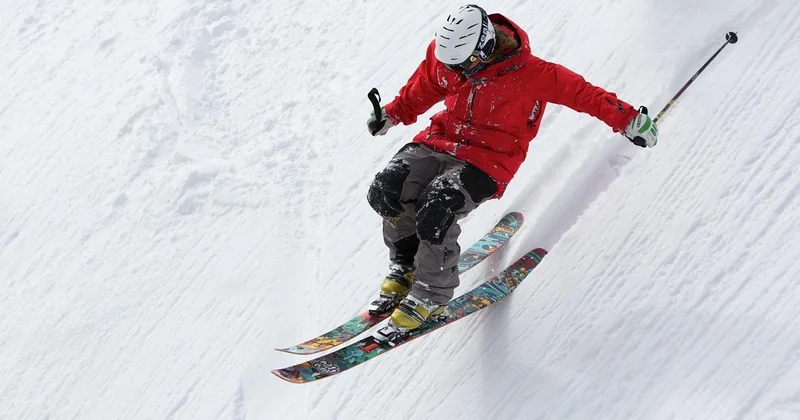
But "top" is ambiguous. If you mean top by difficulty, wingsuit flying and cave diving push ahead. If you mean top by accessible thrill, bungee and rafting win easily.
What are the top 7 extreme sports?
Extend the list and you add wingsuit flying and cave diving. Both are lethal at the margins. Wingsuit requires a minimum of 200 skydives before most dropzones will even let you in the door — some instructors insist on 500. Cave diving requires a full cave certification, and even then, fatality statistics per participant are roughly 10 to 20 times higher than open-water diving.
If you're new to this, neither belongs anywhere near your plans for the next three years.
What are the top 10 extreme activities?
Beyond the seven above, add highlining, heli-skiing, and shark cage diving. That gets you to ten. Notice these aren't ranked by danger — they're ranked by how often operators worldwide actually offer them.
Heli-skiing is the most accessible of the three. You need solid intermediate skiing, decent fitness, and about $900 to $1,400 for a full day, depending on the operation. Karakol and a few Canadian outfits sit at the lower end; Switzerland and Alaska sit at the top.
What are some of the most thrill-seeking activities?
If you're chasing pure adrenaline rather than prestige, the honest answer is that proximity to real risk matters more than the activity's name. Free solo climbing at your limit gives more thrill than a tandem skydive you sleepwalk through. A night dive into a wreck you're certified for beats a daytime reef dive you've done fifty times.
Thrill scales with your own competence, not the activity's reputation.
The alternatives nobody talks about
Everyone books Interlaken. Almost nobody books Kyrgyzstan, and that's a mistake — the Tien Shan range has heli-ski terrain that compares to the Alps at roughly 30-40% of the cost, though you'll fly into Bishkek and drive five hours to get there.
Same story in Peru. Huacachina's dune buggy runs cost under $80 for a half-day, and the sandboarding descents are steeper than anything you'll find in Namibia's Sossusvlei. It's crowded with backpackers, but the price-to-thrill ratio is absurd.
And Utah. Moab's highline scene is self-organised, semi-legal in some spots, and absolutely not for beginners — but the community there is generous with knowledge if you show up humble and ask.
The mistakes I made so you don't have to
Three things I got wrong early:
- I skipped altitude acclimatisation before a high-altitude trek in Peru and lost two days to headaches and nausea. Now I build in 48 hours minimum.
- I assumed my credit card's travel insurance covered adventure sports. It covered none of them.
- I booked a tandem jump on a day with 40 km/h winds because I didn't want to lose the deposit. The operator cancelled. I lost the deposit anyway.
None of this was glamorous. All of it was avoidable.
What to check before you book anything
Verify the operator's licence number, ask for the last three years of incident reports, and read the waiver line by line. If a company hesitates on any of these, walk.
Buy a dedicated adventure sports insurance policy, not a rider on a standard travel plan. They cost more — often $15 to $40 per day — but they're the only ones that actually pay out for helicopter evacuation from a backcountry slope.
And build a buffer. If the activity has a weather-dependent window, budget extra days. Most "once in a lifetime" trips I've seen fail failed on scheduling, not on skill.
You don't need to be a professional to do this stuff. You do need to be honest about what you're ready for. The mountain doesn't care about your Instagram grid — and that's exactly why it's worth going.